
Back-to-School Music Activities for Preschool & Kindergarten: Building Connection Through Music
- Aug 13, 2024
- 4 min read
Updated: 6 days ago
The beginning of a new school year brings so many new things — new routines, new faces, new names, and a whole new group learning how to be together.
Music can be a wonderful way to help children feel comfortable, connected, and ready to participate. When I start music sessions with a new group, I love using familiar songs, movement, and creative activities to give children simple ways to learn about one another and create a sense of belonging.
Here are some of my favourite music activities to try during those first weeks of school with preschool and kindergarten children.
Start with Names: Hickety Pickety Bumblebee
Let’s start with a song/chant that celebrates each child’s name: “Hickety Pickety Bumblebee.” This song provides kids with the opportunity to sing their names and hear everyone join in:
Hickety Pickety Bumblebee
Can you say your name for me?
(Child) My name is ____.
(All together) Your name is ____.
That's a very nice name.
I created little bees with each child's name written on them. The children enjoyed holding up and flying their little bee around when it was their turn to say or sing their name. Or sometimes they simply wanted to hold up their bee while I sang their name.
Get to Know Each Other with “If You're Happy and You Know It”
Here's a simple way I like to adapt a familiar song to help us get to know each other. In this version of If You're Happy and You Know It, each child takes a turn sharing something they like.
If you like (pizza) and you know it, clap your hands.
If you like (pizza) and you know it, clap your hands.
If you like (pizza) and you know it, and you really want to show it
If you like pizza and you know it, clap your hands
You can also incorporate instruments, such as shakers, to add variety. Instead of clapping, you might sing:
If you like (pizza) and you know it, shake your shaker.
You could use favourite foods, animals, colours, activities, or anything else you'd like to learn about your group.
This activity not only promotes sharing and interaction but also encourages children to express their interests, helping to build connections and friendships within the classroom.
I love how familiar songs like this can be adapted in so many different ways depending on what your group needs. A song you use for movement one day can become a getting-to-know-you activity, a transition, or simply a fun way to invite children to participate.
If you’re looking for more familiar songs to have on hand for circle time, my Circle Time Song Bundle includes 52 familiar favourites, along with song choice cards, lyric sheets, visual props, and bonuses — so you have a whole collection of songs to pull from throughout the year.

The More We Get Together: Song + Craft
Here is another song perfect for getting to know each other. It can also be expanded into a craft activity.
Sing the classic songThe More We Get Together to nurture that sense of community and belonging.
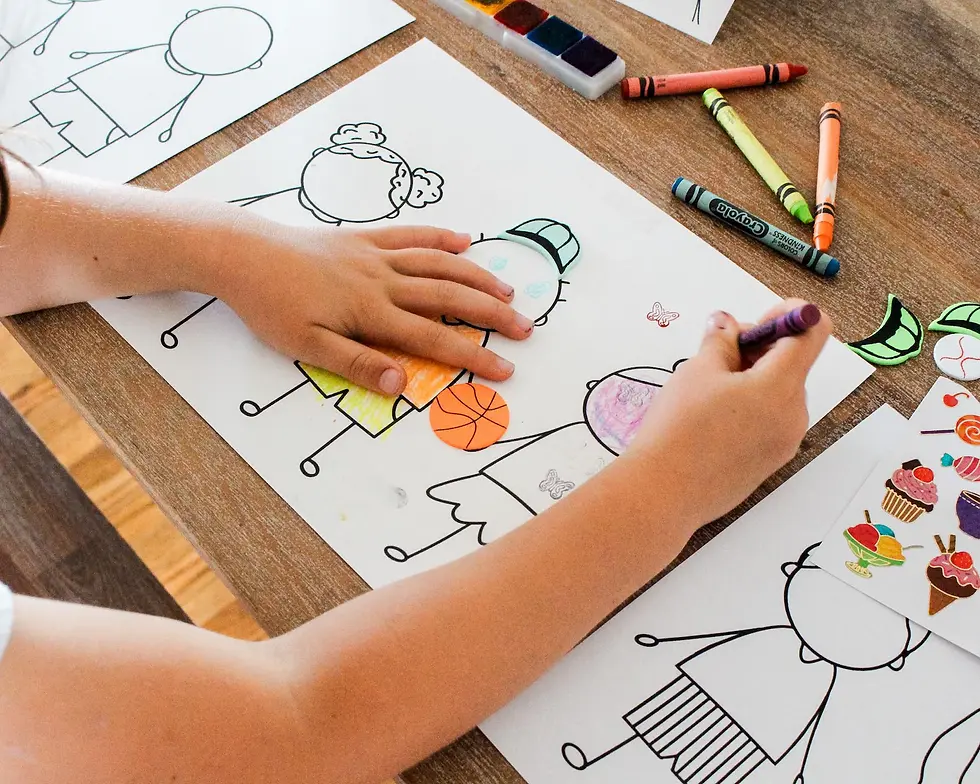
After the song, kids can decorate a person to look like them, which can then be displayed all together.
I love the idea of seeing all of the friends together on the display — each one unique, but all connected.
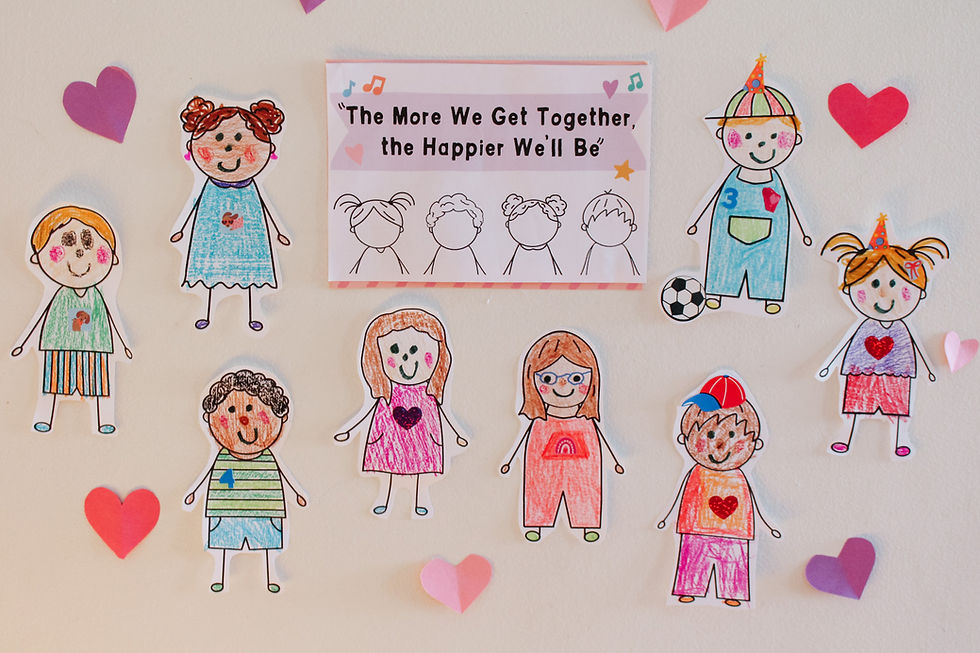
Find the full activity and display here.
Music and Movement in the Classroom
Music and movement activities can serve many different purposes in the classroom. They can help us meet children where they are, give them a chance to participate in ways that feel comfortable, and create opportunities to connect with one another.
Sometimes that connection comes from the comfort of familiar songs, like The Hokey Pokey or Head, Shoulders, Knees and Toes. Other times, movement can help children transition from one activity to the next, giving the group a chance to move, reset, and come back together.
Musical mirroring activities are another simple way to encourage connection. Try taking turns leading movements while the rest of the group copies along to the music. Children get to practice watching, listening, and responding to one another — almost like having a musical conversation through movement.
And, of course, there’s the classic freeze dance! Children can dance and move freely while the music plays, then freeze when it stops. Beyond being a fun way to get everyone moving, freeze dance gives children opportunities to share a joyful experience, laugh together, and practice listening and responding as a group. And there are so many ways to change it up depending on your group and the time of year. Read more freeze dance ideas here.
Create a Music Space
Creating a Music Corner in the Classroom
Setting up a designated music corner in your space can inspire musical exploration and creativity. Fill the space with simple percussive instruments like shakers, rhythm sticks, and small drums to encourage hands-on play. Include a small device or speaker for playing music, along with some song visuals that children can engage with during free play and also use during structured circle time.
Include a few singable stories—many beloved children’s songs (like those by Raffi) are available as picture books that naturally blend music and literacy. Dancing scarves are another wonderful addition, inspiring movement, self-expression, and a touch of magic during musical moments.
The beginning of a new school year is about so much more than learning names and routines. It’s also about helping children feel that they belong.
Music gives us so many simple opportunities to sing together, move together, listen to one another, share a little about ourselves, and discover the things we have in common.
I hope these ideas give you a few easy ways to bring music, creativity, and connection into your classroom this year.
Wishing you a wonderful school year filled with singing, sharing, creating, and connecting! 💛



Comments